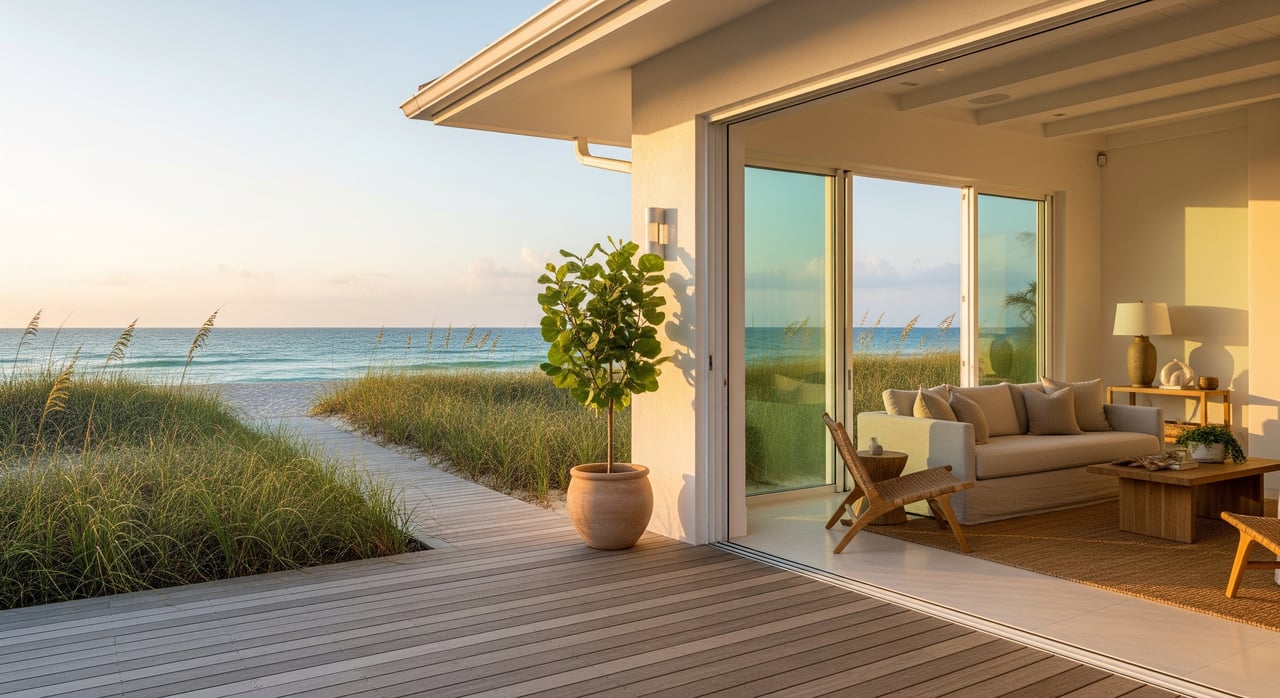
Craving mornings that start with a beach walk and evenings that end under quiet coastal skies? If you are exploring a move to Hobe Sound, you are likely looking for a slower pace without giving up access to parks, water, and everyday essentials. In this guide, you will learn what daily life feels like, how the seasons shape routines, where you play and shop, and what to plan for as a coastal homeowner. Let’s dive in.
Hobe Sound at a Glance
Hobe Sound sits on Florida’s Treasure Coast in Martin County, tucked between the Atlantic Ocean and the Indian River Lagoon. It is an unincorporated community and census‑designated place with a small‑town coastal feel. For work and regional services, it connects to the broader West Palm Beach–Boca Raton–Delray Beach metro area.
You will find a mix of year‑round residents and seasonal homeowners. The pace is calmer than in larger nearby cities like Jupiter and Stuart. Streets are low‑rise and tree‑lined, storefronts are locally owned, and outdoor recreation is part of everyday life.
Beaches and Preserved Coasts
Public Access and Daily Rituals
Public beach access points along A1A make sunrise walks, shelling, and quiet surf sessions part of a regular routine. Locals also value beach stewardship, especially during sea turtle nesting season. If you are new to coastal living, review the state’s guidance on lighting and nest protection using the Florida Fish and Wildlife Conservation Commission’s sea turtle resources.
- Learn about nesting season and protection on the FWC’s page for sea turtle conservation and beach lighting rules.
Protected Places Nearby
Hobe Sound is shaped by nearby preserves and parks that protect dunes, mangroves, and wildlife.
- Jonathan Dickinson State Park offers hiking, paddling, equestrian trails, camping, and wide‑open natural scenery. It is a year‑round favorite for residents seeking a quick reset in nature. Explore activities and maps on the Jonathan Dickinson State Park page.
- Hobe Sound National Wildlife Refuge protects sensitive shoreline and dune habitats that are critical for nesting sea turtles and shorebirds. Public access is limited in some areas to reduce disturbance. Get an overview from the U.S. Fish & Wildlife Service’s refuge page.
- Blowing Rocks Preserve showcases a dramatic limestone shoreline that erupts with spray at high tide. It is one of the area’s most striking natural landmarks. See details at The Nature Conservancy’s Blowing Rocks page.
Boating, Fishing and Water Life
Hobe Sound’s intracoastal waters and ocean access support a full range of boating and paddling. You will see flats skiffs in the Indian River Lagoon, center‑consoles heading offshore when the weather cooperates, and plenty of kayaks and paddleboards near sheltered shorelines.
Anglers target common South Florida species like snook, tarpon, and seasonal reef fish. Regulations vary by species and season, so check current rules before you head out. The Florida Fish and Wildlife Conservation Commission maintains up‑to‑date information for recreational saltwater fishing.
Daily Conveniences and Community Life
The commercial core in Hobe Sound is compact and community‑oriented, with independent restaurants, cafes, and service businesses. You can handle everyday essentials close to home. For a wider range of retail, dining, and entertainment, residents often make short drives to Jupiter or Stuart, and longer trips to West Palm Beach when needed.
Community life leans outdoors. Seasonal markets, volunteer opportunities, and environmental events are part of the social calendar, often coordinated through county and conservation groups. You will find neighbors who value conservation, beach cleanups, and simple gatherings that take advantage of the coastal setting.
Homes and Neighborhoods
What You Will Find
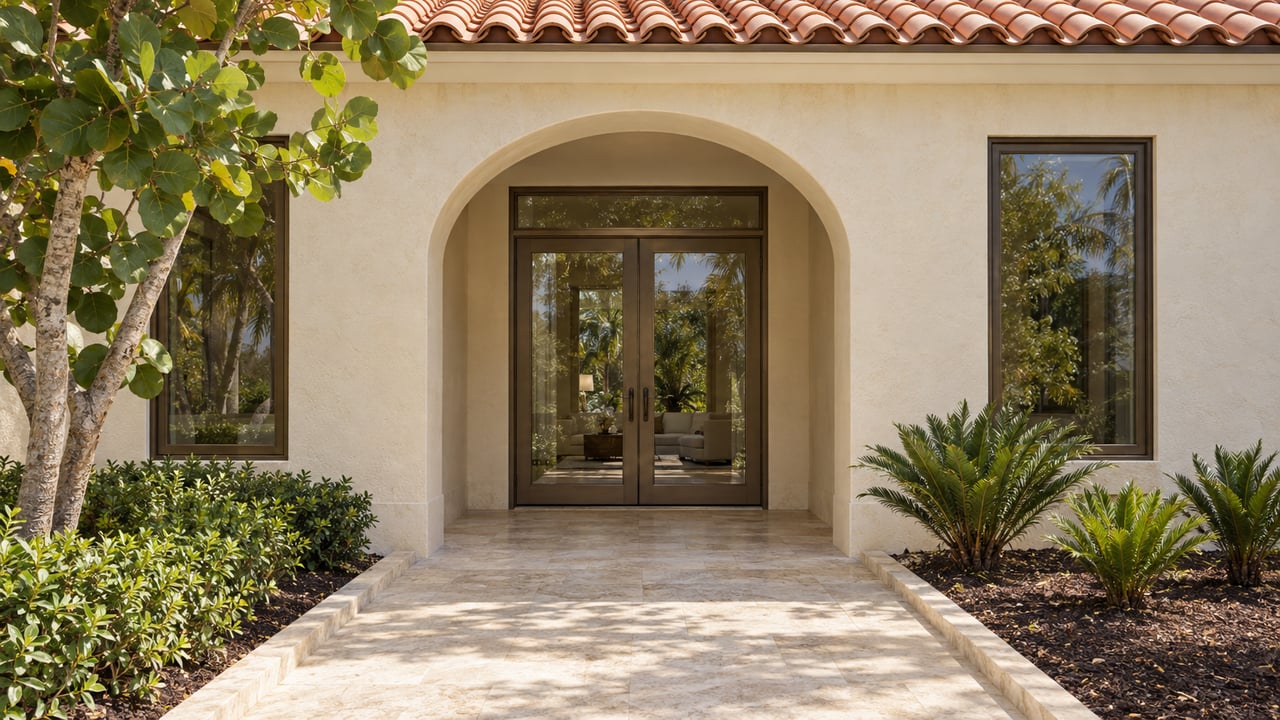
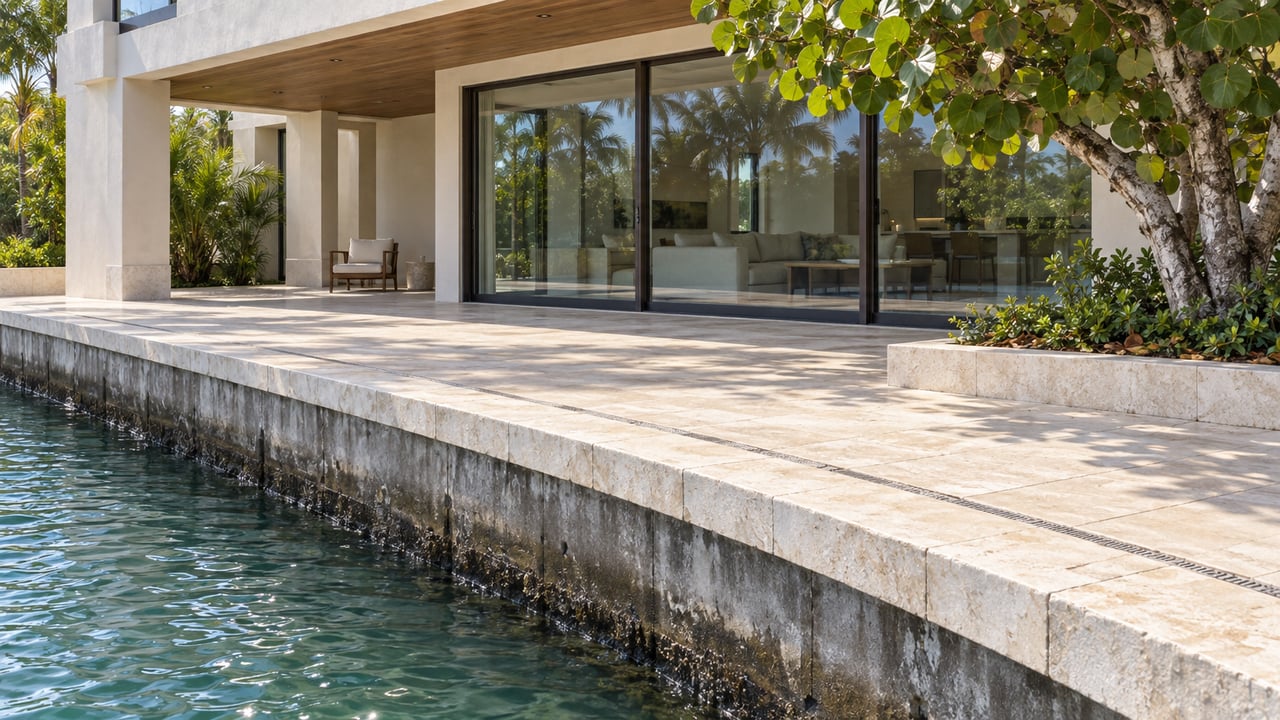
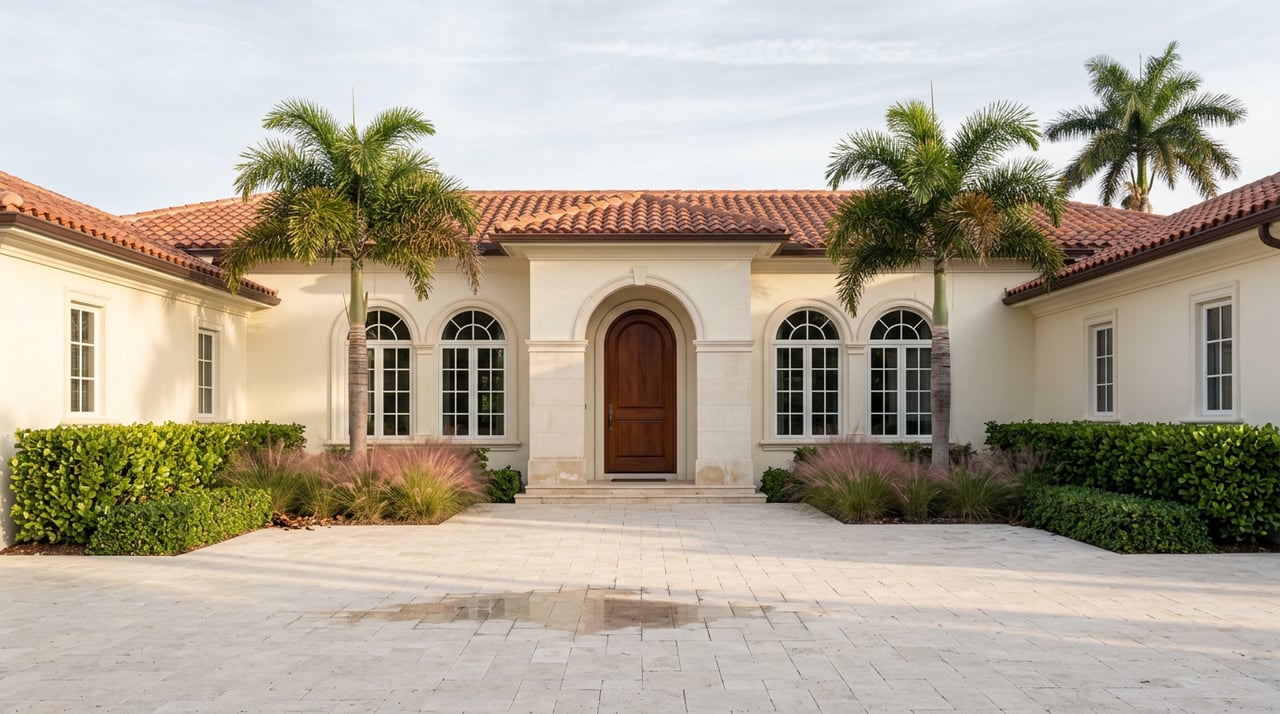
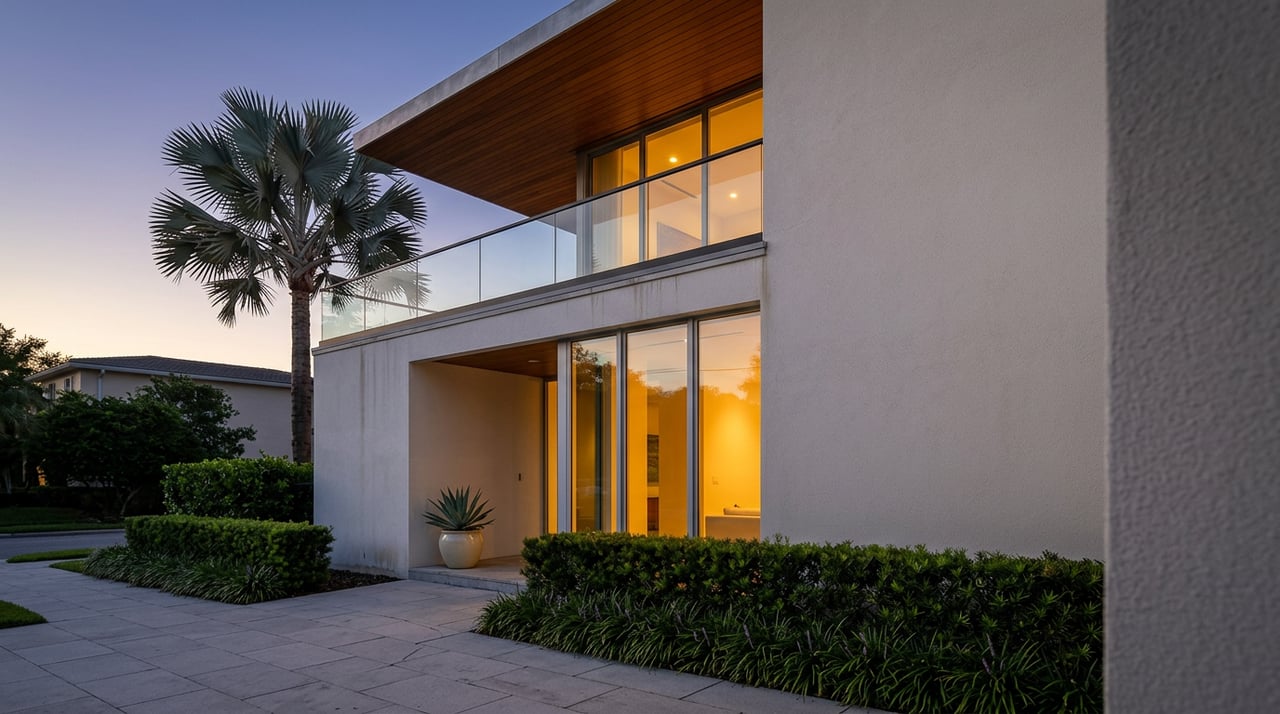
Hobe Sound includes older coastal cottages, newer single‑family homes, townhomes, and waterfront condo complexes. Many properties emphasize indoor‑outdoor living with lanais, pools, and patios. Nearby barrier‑island communities, including parts of Jupiter Island to the north, feature higher‑end estates with privacy and ocean or intracoastal frontage.
What Shapes Value
Prices generally reflect South Florida’s regional trends, with seasonal demand and second‑home activity influencing turnover. In Hobe Sound, property features make a major difference. Ocean or intracoastal frontage, boat lifts and private docks, views, and proximity to preserved land can all affect value. Hobe Sound is often more affordable than ultra‑premium barrier‑island addresses, and more expensive than inland parts of Martin County.
Homeowner Planning Tips
Living by the coast brings unique benefits, and it also requires practical planning. As you compare homes, include these items in your due diligence:
- Flood zones and insurance. Many coastal properties fall within FEMA flood zones. Review the FEMA Flood Map Service Center to locate a property’s zone and understand potential insurance needs using the FEMA map portal.
- Wind and hurricane coverage. Florida homes rely on wind mitigation features, storm shutters, and roof standards. Insurance for wind and hurricanes is a key budget item.
- Seawalls, docks and shoreline permits. Waterfront homes may have seawalls or docks that require maintenance and permitting. For coastal construction near sensitive dunes and beaches, the Florida Department of Environmental Protection oversees the Coastal Construction Control Line program. Read about CCCL permitting on the Florida DEP’s CCCL page.
- HOA or condo fees. Many condos and gated communities include fees that cover amenities, landscaping, and portions of insurance. Review budgets, reserves, and rules before you commit.
- Septic vs. central sewer. Some pockets in coastal Martin County still use septic systems. Know what your home has, the maintenance schedule, and any upcoming utility projects.
- Building codes and retrofits. Florida Building Code includes wind‑load standards. Older properties may need upgrades to meet current expectations and insurance requirements.
A seasoned local advisor can help you weigh these variables, request the right documents early, and plan for ongoing costs with confidence.
Schools, Healthcare and Services
Hobe Sound is served by the Martin County School District, and there are private options in the area, including The Pine School in Hobe Sound. For current boundaries and enrollment policies, consult the Martin County School District’s official site.
Healthcare access is regional. Full‑service hospitals and medical centers are located in Stuart and Jupiter, with primary care and urgent care options spread throughout the area. Law enforcement and fire/EMS services are provided by Martin County agencies, and libraries, parks, and recreation programs are offered through county departments.
Getting Around
U.S. Highway 1 runs through Hobe Sound and anchors local errands and commuting. A1A provides scenic barrier‑island access to beaches and preserves. For regional travel, Palm Beach International Airport is the closest major airport. Public transit is limited compared with larger cities, so most residents rely on cars. Some commuters travel to job centers in Palm Beach County and beyond.
Seasons, Wildlife and Rules
Hobe Sound follows coastal Florida’s seasonal rhythm. Winter months from roughly November through April bring more visitors, social events, and ideal outdoor weather. Summer is quieter, with afternoon storms and warmer water that keeps locals at the beach and on the water early in the day.
Hurricane season runs from June 1 through November 30. Residents typically keep a preparedness plan and supplies, and they track county guidance during storms. Review county resources on the Martin County Emergency Management page.
Wildlife protections are part of daily life on the coast, especially during sea turtle nesting season, generally March through October. Beach lighting, nest buffers, and restricted access in protected areas help safeguard nests. For an overview of practices and rules, use the FWC’s page on sea turtle conservation and beach lighting and see refuge‑specific guidance on the Hobe Sound National Wildlife Refuge page.
Is Hobe Sound Right for You?
If you want a quieter coastal routine with easy access to beaches, preserved landscapes, and a friendly main street, Hobe Sound fits the bill. You can keep everyday errands close, expand your options with short drives to Jupiter or Stuart, and enjoy a community that values nature and low‑impact recreation.
For buyers and sellers, success often comes down to local detail. Flood zones, HOA rules, seasonal timing, and property features all matter. With the right guidance, you can move forward with clarity, whether you are buying your first coastal home, moving up, or preparing a sale.
Ready to explore homes and neighborhoods in Hobe Sound and greater Martin County with a trusted local advisor? Connect with Barbara C Smith to get personalized guidance and a clear plan.
FAQs
What is daily life like in Hobe Sound?
- Expect a calm, small‑town coastal pace with frequent beach time, easy access to parks and preserves, and a social calendar that leans toward outdoor events and seasonal gatherings.
How easy is beach access in Hobe Sound?
- You will find public access points along A1A and nearby preserved shorelines; some areas have restrictions to protect wildlife, especially during nesting seasons.
What are common homeowner costs unique to coastal homes?
- Plan for flood insurance, wind and hurricane coverage, possible HOA or condo fees, and maintenance for items like seawalls, docks, and, in some pockets, septic systems.
How does hurricane season affect living in Hobe Sound?
- From June 1 to November 30, residents keep preparedness supplies, follow county updates, and maintain wind mitigation features like shutters and roof reinforcements.
Are there rules about sea turtles and beach lighting?
- Yes. During nesting season, local and state rules limit lighting and beach activity at night to protect nests; review FWC guidance and refuge notices before visiting beaches.
What housing types are common in Hobe Sound?
- You will see older cottages, newer single‑family homes, townhomes, and waterfront condos, with nearby barrier‑island areas offering higher‑end estates.
How is transportation and airport access from Hobe Sound?
- U.S. 1 runs through town, A1A connects the barrier island, and most residents drive; Palm Beach International Airport is the nearest major hub for flights.