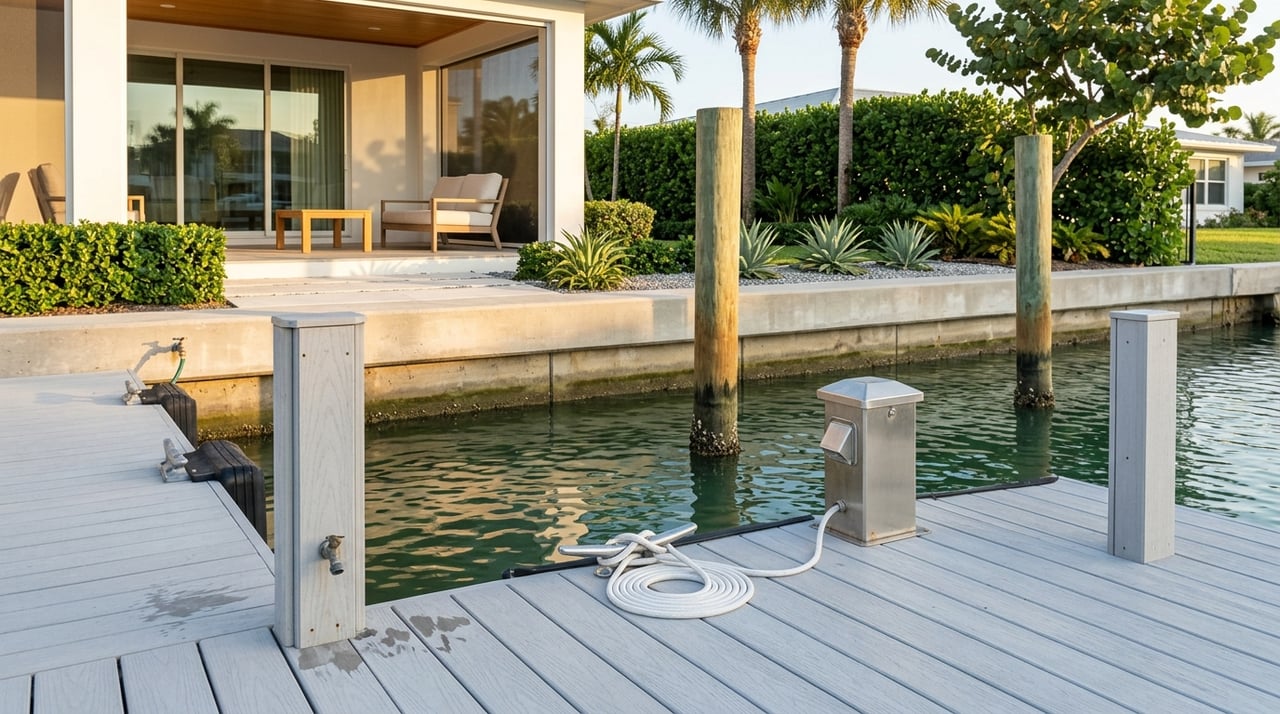
If you are selling a waterfront home in Jupiter, great views alone may not carry the day. Today’s buyers are looking just as closely at condition, usability, and paperwork as they are at the water itself. In a market that appears balanced to mildly competitive, the homes that feel well prepared and easy to understand often stand out faster. Let’s walk through how to get your Jupiter waterfront home ready for today’s buyers.
Why preparation matters in Jupiter
Jupiter’s market conditions suggest buyers still have choices. Recent reporting showed median days on market ranging from about 43 to 67 days depending on the source, with Realtor.com reporting a 57-day median and a 96% sale-to-list ratio in March 2026. That means strong presentation and clear documentation can help your home compete more effectively.
For waterfront sellers, there is another layer to think about. Jupiter’s 2025 vulnerability assessment says the town faces increasing flood risk over time in low-lying, flood-prone areas due to sea level rise, storm surge, groundwater conditions, and extreme rainfall. Buyers know this, so they often look for signs that a home has been cared for, understood, and documented.
Make the view the star
When buyers walk into a waterfront home, they want to feel the connection to the water right away. The goal is to make your home feel like a frame for the view, not a distraction from it. Clean sightlines and simple styling can make a big difference.
The staging approach is straightforward. The National Association of Realtors defines staging as cleaning, decluttering, repairing, depersonalizing, and updating so buyers can picture themselves in the home. For a Jupiter waterfront property, that means focusing on the spaces that lead the eye outdoors.
Clean every surface buyers will notice
Waterfront homes have more glass, more exterior exposure, and more places where salt, moisture, and wear can show up. Before photos and showings, deep clean windows, sliders, railings, dock boards, patio surfaces, and other frequently touched outdoor areas. A clean exterior helps the whole property feel sharper and better maintained.
Clear the lines to the water
Remove extra furniture, storage bins, hoses, toys, and gear from decks, patios, balconies, and docks. Buyers should be able to see these spaces as usable living areas, not as storage zones. Inside, avoid furniture layouts that block the main view from living spaces.
Keep colors simple and neutral
In waterfront homes, the natural backdrop should do most of the work. Neutral finishes and restrained décor help the sky and water stand out. This also helps buyers focus on the space itself rather than your personal style.
Treat outdoor areas like living space
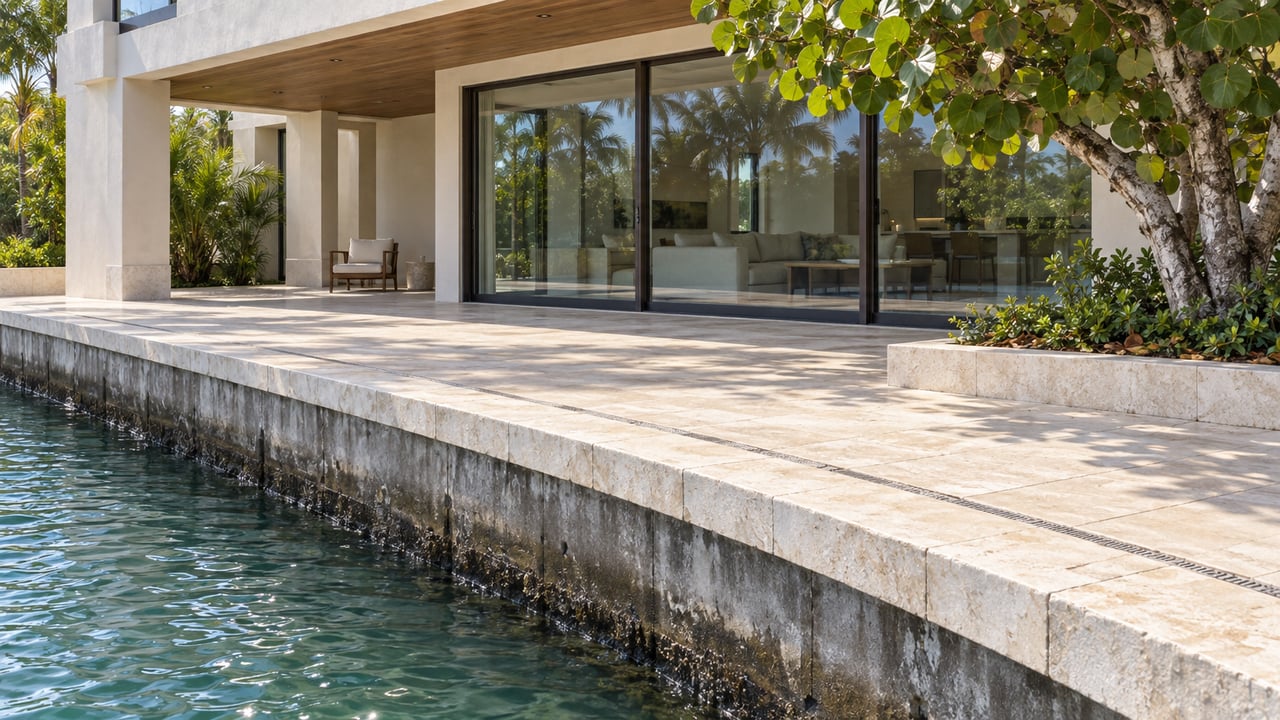
Outdoor areas are not secondary in a Jupiter waterfront sale. For many buyers, the patio, pool deck, and dock are part of the home’s daily living experience. If those spaces feel thoughtful and inviting, your home will usually present more strongly.
Create a clear seating moment
Place a small, well-scaled seating group where it emphasizes the view. Fresh cushions or a simple umbrella can help, as long as they do not block sightlines. The space should feel calm, open, and easy to imagine using.
Strengthen the indoor-outdoor flow
The transition from inside to outside should feel clean and effortless. Make sure sliders open smoothly, thresholds are tidy, and adjacent rooms feel connected to the patio or waterfront area. Buyers notice when outdoor living feels like a natural extension of the home.
Present lifestyle features with purpose
If your property has a pool, summer kitchen, or covered outdoor room, make it feel ready to use. These features often support the boating and entertaining lifestyle many waterfront buyers want. Keep the presentation simple, polished, and functional.
Check permit requirements before landscape changes
If you are thinking about major pruning or removing vegetation before listing, pause first. The Town of Jupiter says some residential vegetation removal permits may be required, and larger landscape changes may need a new plan. It is smart to confirm town requirements before making big exterior changes.
Show boating usability, not just scenery
Beautiful water views attract attention, but serious waterfront buyers often want more than photos. They may ask how the dock functions, how the boat access works, and whether the setup is properly documented. Being ready with details can make your listing feel more credible from the start.
Gather dock and seawall records early
Jupiter says a dock or boatlift requires a building permit, and the application may be reviewed by multiple departments. The town also notes that outside approvals may be needed from entities such as FDEP, the Army Corps of Engineers, and an HOA where applicable. Shoreline stabilization and seawall work also require permitting.
That means one of the best things you can do before listing is gather paperwork for the dock, lift, seawall, and related shoreline work. If you can produce those records quickly, you may reduce delays and back-and-forth later.
Be ready to explain access details
Many buyers want practical boating information, not just a broad statement that the home is on the water. Jupiter’s dock-extension waiver form asks applicants to document side setbacks, dock dimensions, mooring-space or boatlift dimensions, depth contours, water depth at the dock and in the navigable channel, and total projection waterward of mean high water. It also asks for at least 15 feet of unobstructed navigable channel waterward of the mooring space.
You do not need to overwhelm buyers with technical data upfront, but you should have these details ready if they exist. It also helps to have marketing photos of the dock, lift, seawall, and water approach so buyers can better understand the property’s boating setup.
Build one clean property file
A well-prepared waterfront listing should feel easy to evaluate. One of the best ways to do that is to organize the property record before your home goes on the market. Buyers and their agents often gain confidence when they can review key documents without having to chase them down.
Jupiter’s public-records information says building records after October 1, 2015 are available through the Jupiter Community Development System or through a Building Department records request. The town also says the Building Department can verify whether a FEMA Elevation Certificate is on file. Those town resources make it easier to assemble a useful seller packet.
Include the documents buyers usually want
A strong waterfront file may include:
- Survey or plat, if available
- Elevation certificate, if available
- Flood zone lookup result using the town’s 2024 FEMA map
- Permit cards and final inspections for dock, seawall, lift, roof, windows, pool, HVAC, and generator work
- Recent invoices and maintenance records for key systems and shoreline structures
- Insurance declarations page
- Prior flood or storm claim history
This kind of packet helps your home appear better maintained and more transparent. It can also make due diligence feel more manageable for buyers.
Make flood information easy to review
Flood-related questions are common with any waterfront property in Jupiter. The town says every property has the potential to experience flooding, and it directs residents to the FEMA flood map and the Building Department for confirmation. Buyers may be especially alert to this issue now that the town completed a new vulnerability assessment in 2025.
The Town of Jupiter also says FEMA released new flood zone maps effective December 20, 2024. It lists special flood hazard zones A, AE, AH, and AD, the coastal high hazard zone VE, and low-risk zones X500 and X/D. If your property is in or near one of these areas, having clear flood-zone information ready can help buyers feel more informed.
Clarify insurance expectations early
Jupiter’s flood information states that standard homeowners insurance does not cover flooding. The town also notes that most flood insurance policies have a 30-day waiting period. Those are important facts for buyers to understand during the showing and due diligence process.
You do not need to solve every insurance question yourself. But if you can provide the flood-zone determination, elevation certificate if available, and current insurance documentation, you give buyers a much better starting point.
Anticipate the questions buyers will ask
When a waterfront home hits the market, buyers often focus on a short list of practical questions. The more clearly you can answer them, the more confidence your listing may inspire. This is especially true in a market where buyers may compare several homes before making an offer.
Common questions to prepare for
Expect questions such as:
- Is the home in a flood zone?
- Has anything changed with the flood map?
- Are the dock, lift, and seawall legal and properly permitted?
- How much water depth is there at the dock?
- What is the channel access like?
- Is the current boat shown in photos representative of the dock setup, or just there for scale?
- What paperwork is ready for review before or during due diligence?
If you can answer these questions clearly and calmly, your home is more likely to come across as a serious, well-managed property rather than simply a beautiful one.
Position your home for today’s market
In Jupiter, preparing a waterfront home for sale means more than tidying up before photos. It means presenting the view beautifully, making outdoor living feel intentional, documenting boating features carefully, and organizing flood and permit information before buyers ask for it. In a balanced to mildly competitive market, that extra preparation can help your property feel stronger, smoother, and easier to trust.
If you are thinking about selling your Jupiter waterfront home, working with a seasoned local broker can help you prepare the property thoughtfully from the start. Barbara C Smith brings decades of coastal market experience, personalized guidance, and careful seller representation to every step of the process.
FAQs
What should sellers do first to prepare a Jupiter waterfront home for listing?
- Start by cleaning, decluttering, and opening up the sightlines to the water, then gather key records for the dock, seawall, permits, flood zone, and insurance.
What documents matter most for a Jupiter waterfront home sale?
- Buyers often want the survey or plat, elevation certificate if available, flood-zone information, permit records, final inspections, maintenance invoices, insurance declarations, and any prior flood or storm claim history.
What flood information should sellers have ready for a Jupiter waterfront property?
- It helps to have the flood-zone lookup result from the town’s 2024 FEMA map, the elevation certificate if available, and current insurance information because Jupiter says standard homeowners insurance does not cover flooding.
What boating details do Jupiter waterfront buyers usually ask about?
- Buyers often ask about dock dimensions, water depth at the dock, channel access, turning space, mooring or lift setup, and whether the dock and seawall were properly permitted.
Why does presentation matter in the Jupiter waterfront market?
- With Jupiter described as balanced to mildly competitive by recent market reports, buyers may compare several properties, so strong presentation and organized documentation can help your home stand out.