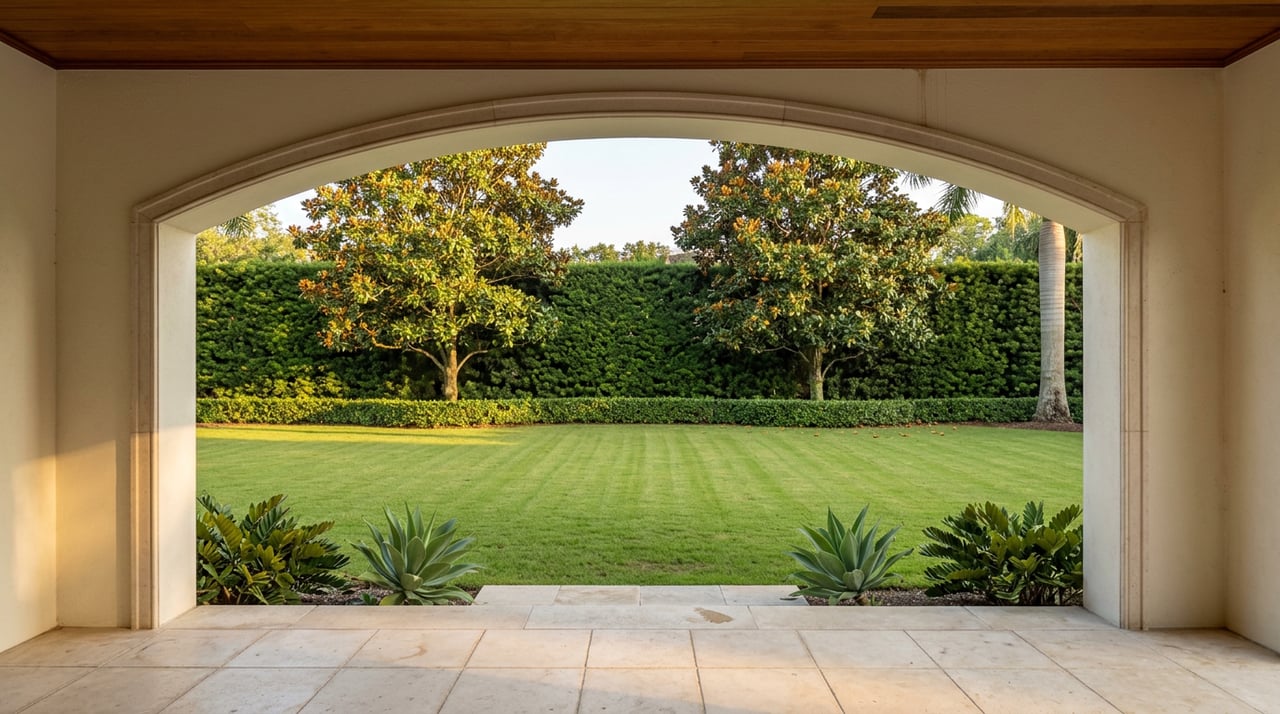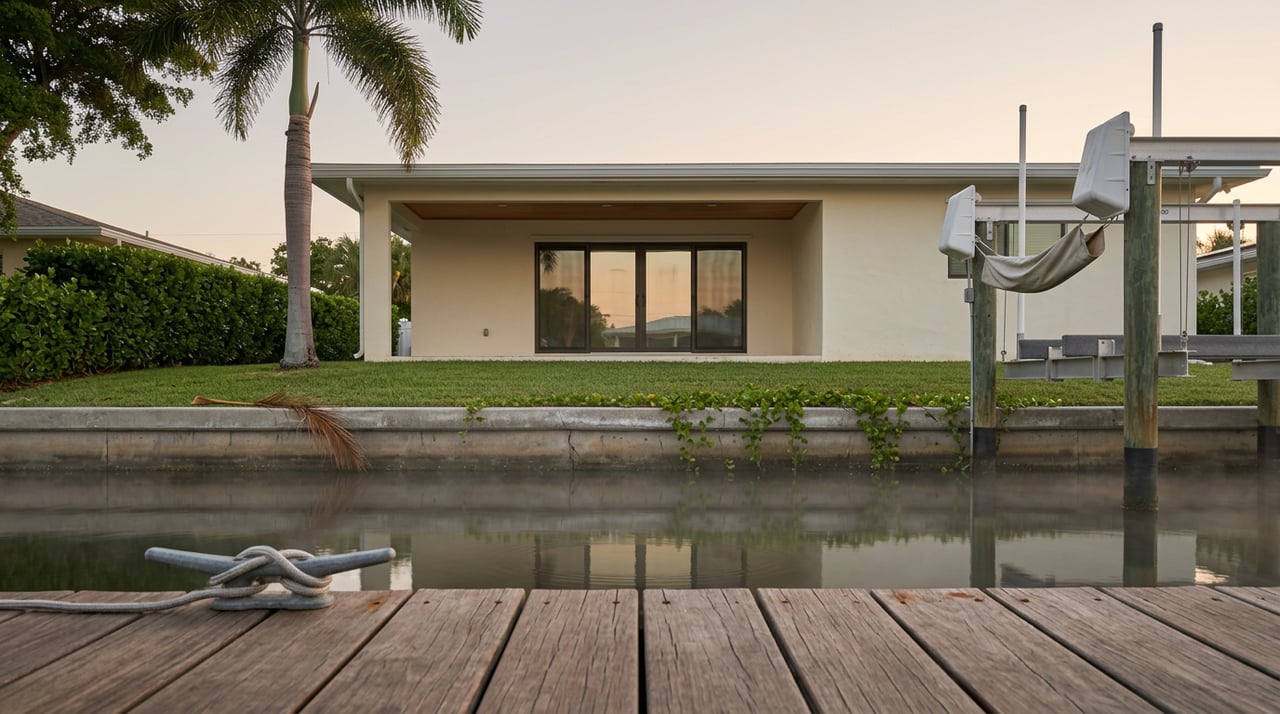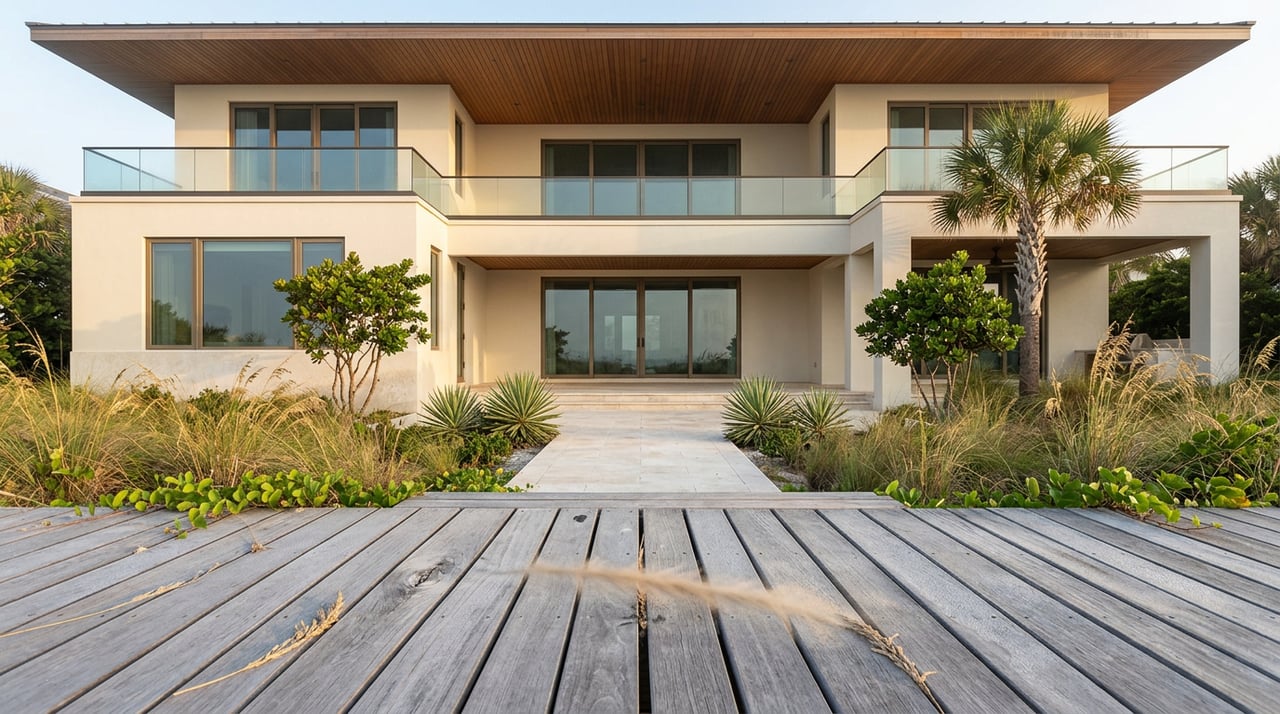
Drive down Bridge Road onto Jupiter Island this week and the place will feel emptier than it did in March. Fewer cars in driveways, fewer lights on at dusk, the kind of hush that settles over a barrier island once the snowbirds close up the house and head north for the summer. Jupiter Island's year-round population hovers under 900 people, and a meaningful share of the homes here sit occupied only part of the year. By late August, a lot of them are dark.
The shoreline hasn't gotten the memo. Between Blowing Rocks Preserve at the island's south end and the Island Tract of the Nathaniel P. Reed Hobe Sound National Wildlife Refuge to the north, this stretch of sand is in the middle of one of the most active stretches of its biological calendar. The humans are on their way out. Everything else is just getting started.
The Walks Are Over. The Season Isn't.
If you tried to book a guided sea turtle walk with the Hobe Sound Nature Center this month, you'd find the registration page closed. The center's Thursday and Friday evening walks ran only through June and July this year, timed to when adult loggerheads are most likely to be crawling ashore to dig a nest. That window has passed. It's a detail that trips people up: they assume "turtle season" means the guided nighttime program, and once that calendar closes, they figure the season is over.
It isn't. The nature center keeps posting weekly nest counts all the way through October 31, because a nest laid in July doesn't finish its work in July. What's happening on the beach right now isn't nesting so much as hatching, as clutches buried earlier in the summer work toward the sand and make their run for the water. The center runs a separate morning program for exactly this stretch of the calendar, called Nest Quest, held right at the refuge beach on North Beach Road between 7:30 and 8:30 a.m. Nobody promises you'll see hatchlings break the surface. But the program exists because enough of them do, often enough, that it's worth getting up early for.
That's the actual shape of the season a longtime resident should know: spring and early summer belong to nesting adults, late summer and fall belong to what they left behind. Anyone timing a visit, or planning something for out-of-town guests, is better served by that distinction than by a generic "turtle season runs March to October" line that doesn't tell you what you'd actually see on any given week.
Two Protected Shorelines, Two Different Reasons to Go
Jupiter Island has two conservation properties that draw people to the sand for very different reasons, and it's worth knowing which one matches what you're after.
Blowing Rocks Preserve, at the island's southern end, is 73 acres that a group of residents gave to The Nature Conservancy back in 1969. It's the most-visited property in the Conservancy's national portfolio, and the draw isn't wildlife so much as geology: a mile-long outcropping of Anastasia limestone that, at high tide with any kind of swell running, sends water shooting through eroded blow holes as high as 50 feet. The path in runs through a shaded sea grape tunnel from the parking area, past the Hawley Education Center, which houses staff offices and a public exhibit gallery. The Conservancy runs guided nature walks from the education center most Saturdays at 10 a.m., which is the easiest way to actually understand what you're looking at rather than just photographing it.
The refuge's Island Tract, at the island's north end off North Beach Road, is the opposite kind of experience. It protects 735 of the refuge's more than 1,000 total acres and fronts 3.5 miles of what's described as the largest contiguous stretch of undeveloped beach left in southeastern Florida. There's no limestone spectacle here, no crowd pull. There's sand, dune scrub, and quiet, plus a $5 daily parking fee or $25 annual pass that catches first-timers off guard because the refuge's mainland visitor center on U.S. 1, which draws more than 180,000 visitors a year on its own, is free to enter. The fee only applies once you're on the island side.
- Go to Blowing Rocks for the limestone formations, the short interpretive walk, and a Saturday morning program that actually explains what you're seeing.
- Go to the refuge's Island Tract for a long, uncrowded beach walk with essentially no amenities and no crowd to share it with.
Both properties sit on the same barrier island, a few miles apart, and most people who live here eventually develop a preference for one over the other depending on whether they want a destination or just distance underfoot.
Where the Island Still Gathers
None of this is a private club. The Jupiter Island Club itself, founded in 1933, remains members-only, with its own beach access, tennis courts, and dining room tucked off Gomez Road. For everyone else, the places where residents still cross paths this time of year sit right at the Bridge Road crossing between the mainland and the island.
Scooter's sits directly on the beach side of that crossing, a casual, indoor-outdoor seafood spot that's become the kind of place where showing up alone still means running into someone you know. A short drive further down Bridge Road is Harry and the Natives, open in the same spot since December 7, 1941, built from tidewater pecky cypress milled locally at a time when this corner of Martin County was little more than a rail stop and a handful of service roads. It has outlasted plenty of newer competition by staying exactly what it's always been.
Neither place changes for the season. What changes is who's around to use them, and by late August, that's mostly the people who never left.
What This Time of Year Actually Tells You
The quiet that settles over Jupiter Island in August isn't a sign that nothing is happening. It's a sign that two different populations are on two different calendars. The human one contracts for the summer. The marine one is finishing a season that started in March and won't formally close until Halloween, and right now it's in the part of the cycle that rewards patience rather than crowds. A resident who understands that difference gets more out of these weeks than someone treating August as a lull to wait out.
If you're weighing a move to Jupiter Island, or already own here and are curious what the rest of the island's calendar looks like beyond turtle season, our Jupiter Island neighborhood guide covers the parts of daily life here worth knowing before you commit to a stretch of this coastline. And if you'd like to talk through what's happening on the island right now, from the market to the tide charts, Barbara C. Smith has spent 45 years getting to know this coast one season at a time. Let's connect.