If you are drawn to Jupiter Island, you are probably weighing a few distinct lifestyles: sunrise over private dunes, sunset from a deepwater dock, mornings on a pristine golf course, or the calm of a secluded garden estate. The choices can feel exciting and overwhelming at once. In this guide, you will learn how each luxury home style on Jupiter Island lives day to day, what to expect with permitting and maintenance, and the key steps to take before you tour. Let’s dive in.
Why Jupiter Island stands apart
Jupiter Island is a low-density, conservation-focused town with a small year-round population and a larger seasonal community. You will find a quiet setting, limited commercial activity, and an emphasis on privacy and natural beauty. The island stretches between the Atlantic Ocean and the Intracoastal Waterway, bordered by preserved lands like Blowing Rocks Preserve, which help protect views and serenity in many areas. For a concise local snapshot, see the town’s community profile.
Inventory is limited and transactions often occur at the very high end. Because the market is small, headline “median” prices can be misleading. Treat each property as unique and rely on current, address-level information when you evaluate value and terms.
Oceanfront estates
What you get
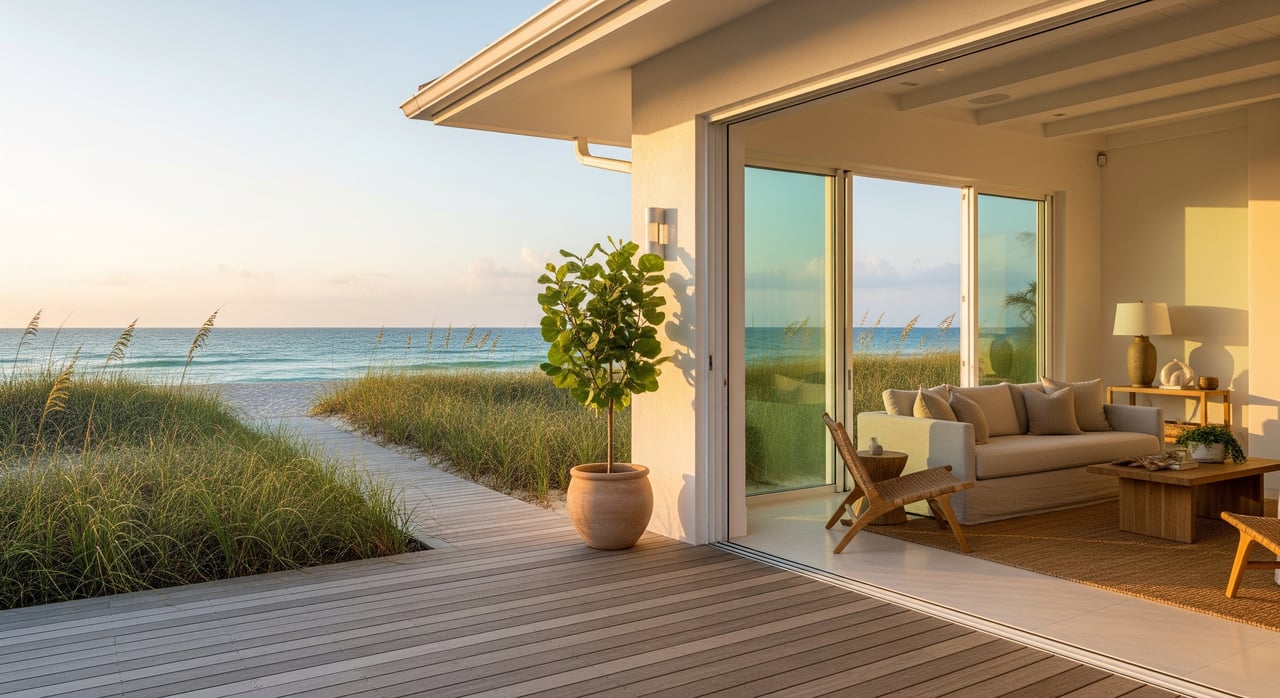
Oceanfront estates sit on dune-front parcels that often range from roughly a half acre to several acres. Legacy properties can carry hundreds of feet of private beach frontage. Homes commonly span 4,000 to 10,000+ square feet with multiple suites, guest quarters, expansive outdoor living, pools, impact-rated openings, elevator access, and whole-house generators.
Best for your lifestyle
Choose oceanfront if you prioritize direct beach access, sunrise views, and a private resort feel at home. Entertaining-scale terraces and pools are common, and many lots offer deeded or private paths to the sand.
Keep in mind
- Dunes and flood zones: Some stretches fall in FEMA coastal high-hazard areas, and segments of the shoreline have seen restoration projects. Review any recent nourishment or dune work near your parcel and plan for coastal exposure. The FEMA record of past projects is a helpful starting point. See this FEMA public notice.
- Insurance and elevation: Expect VE or AE flood designations. Obtain an Elevation Certificate and check the latest FIRM map early. The NFIP’s updated pricing model, Risk Rating 2.0, is address-specific. Learn how it works at FEMA’s Risk Rating page.
Scale snapshot
- South Beach Road offers multiple examples of oceanfront scale, including parcels around 1.5 acres with roughly 200+ feet of frontage. Some legacy estates along this corridor have traded in the high eight-figure range, which illustrates the rarity and size of top oceanfront holdings.
Intracoastal residences
What you get
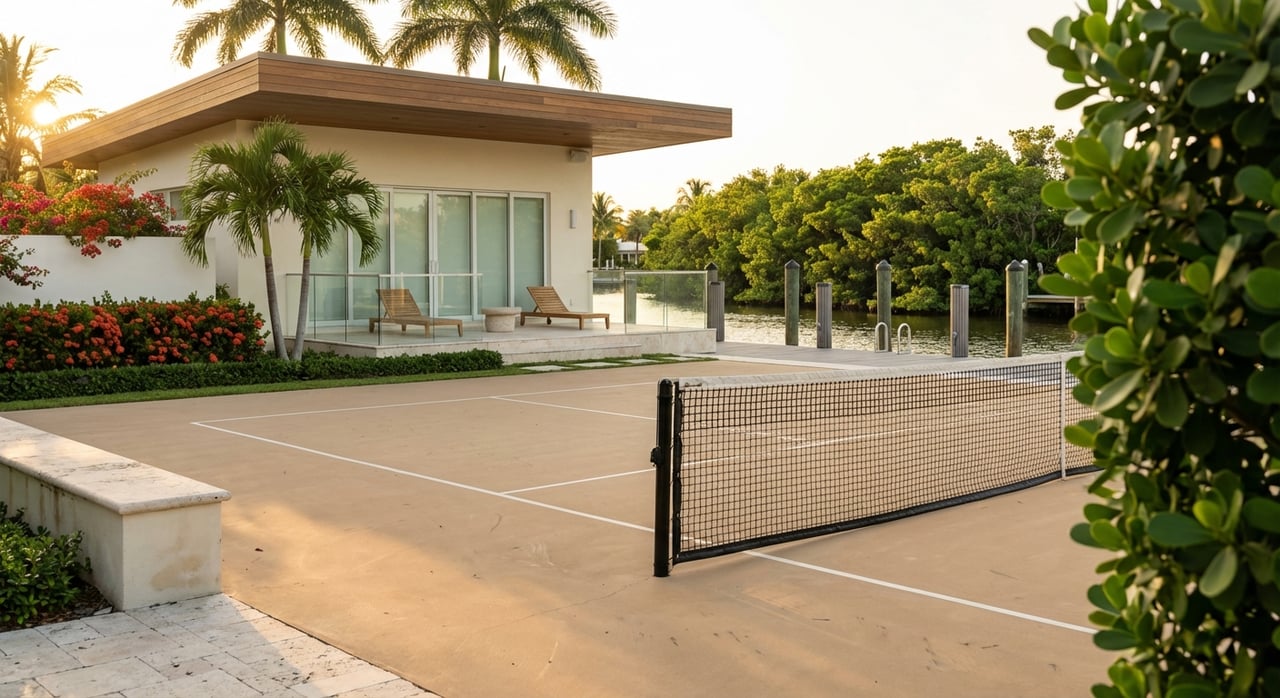
On the Intracoastal side, lots can be generous with deeper yards and protected water frontage. Private docks and boat lifts are common, along with boathouse or marine storage, multiple garages, and covered porches oriented to the water. One recent example along South Beach Road was an Intracoastal estate of about 1.86 acres with roughly 172 feet of frontage that sold around the high teens, showing the scale and amenity set typical at the top tier.
Best for your lifestyle
Choose Intracoastal if you love boating, fishing, and sunset water views. You gain dockage, more usable lawn space in many cases, and quick access to nearby marinas and inlets.
Keep in mind
- Docks, seawalls, and aquatic preserves: Private docks are allowed but are regulated by state and county rules, especially within aquatic preserves. Dredging and seawall changes can be limited and require permits. Review existing permits and as-built dock plans before you commit. See the Florida statutes on aquatic preserves here.
- Navigation realities: Confirm channel depths, any fixed-bridge limitations, and maintenance history to ensure your planned vessel is feasible.
Golf-club homes
What you get
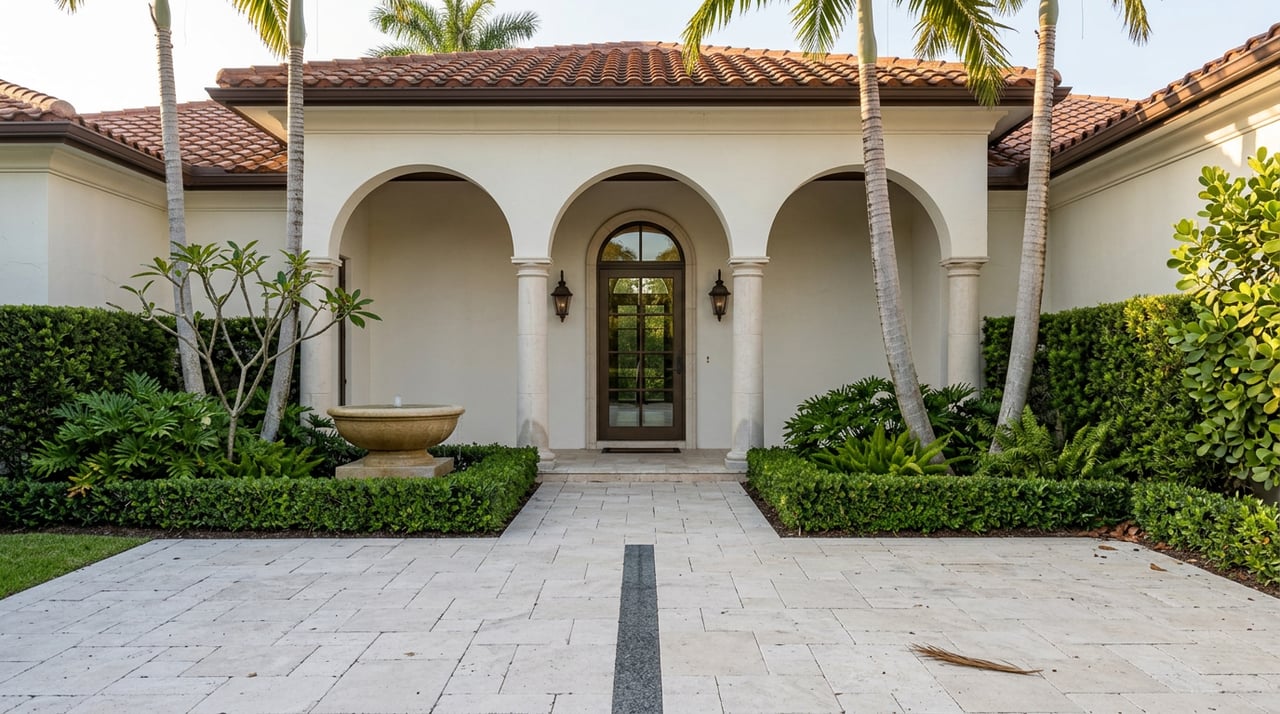
Properties connected to private clubs on or near Jupiter Island blend coastal living with golf, tennis, dining, and social programming. Architecture ranges from Mediterranean-inspired estates to clean-lined coastal designs, often set along fairways or lake vistas. The Jupiter Island Club is a well-known private club, and additional top-tier golf communities on the nearby mainland attract buyers who want club life paired with quick access to the island’s beaches.
Best for your lifestyle
Choose club-linked living if you want a refined social calendar and easy access to golf, tennis, and dining. These homes suit owners who value service, community, and a turnkey experience.
Keep in mind
- Membership is separate: Club membership typically requires an application, initiation fee, and dues, and it is independent of the property purchase. Verify availability and terms directly with the club. This overview of the Jupiter Island Club offers useful context on membership structures and governance in private clubs (read the AGM listing document).
Secluded interior estates
What you get
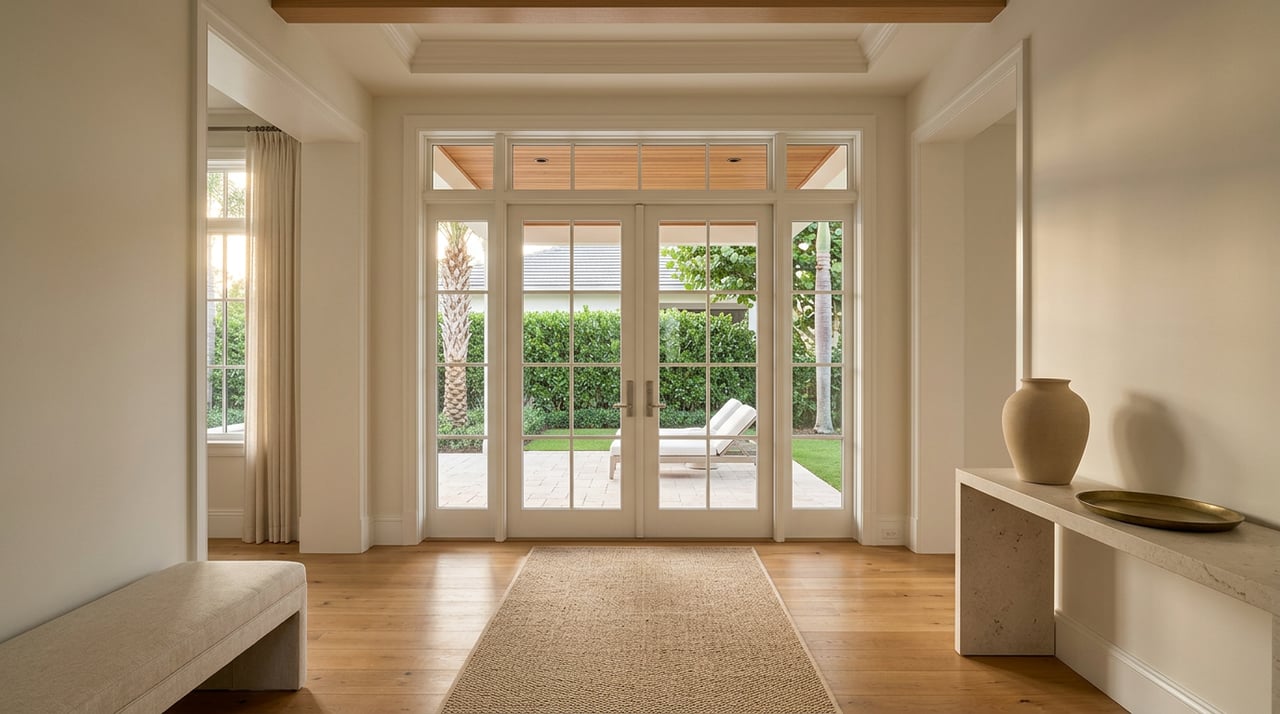
Set back from the shoreline, interior estates often sit on larger parcels with mature landscaping and native vegetation. Homes focus on privacy, courtyards, sheltered outdoor rooms, and garden design.
Best for your lifestyle
Choose an interior estate if you want maximum privacy, room for extensive gardens or sports courts, and a little distance from direct coastal exposure while still enjoying the island’s quiet character.
Keep in mind
- Utilities and planning: Interior parcels still fall under local coastal and conservation frameworks. Sewer connection is limited in town, and many homes use on-site septic systems. This impacts renovations or expansions. Review the town’s infrastructure information and confirm service status for any address (town utilities overview).
Key realities that affect cost and ownership
Flood and insurance
Parts of Jupiter Island, especially near certain dune segments, are mapped in VE or AE zones. Always secure an Elevation Certificate, confirm the property’s Base Flood Elevation, and compare NFIP and private flood quotes. The town’s page on flood information and map resources explains how to request a current FIRMette and other essentials. For how premiums are calculated today, see FEMA’s Risk Rating 2.0.
Utilities: water, sewer, and septic
Public sanitary sewer within the town is very limited. Most residential parcels rely on on-site septic systems. That affects inspections, routine pumpouts, and any plan to add bedrooms or expand. Review town documentation and confirm feasibility if you hope to connect to sewer through the South Martin Regional Utility (utility summary).
Docks, seawalls, dredging
Intracoastal properties require careful permit review for docks, lifts, seawalls, and any contemplated dredging. Aquatic preserve rules limit certain expansions and relocations. Understand the permitting baseline by reviewing the relevant Florida statutes on aquatic preserves.
Coastal building and wind protection
Local custom estates typically include elevated construction, impact-rated glass or shutters, raised mechanicals, reinforced concrete or CBS structure, and whole-house generators. Confirm standards with the Town or Martin County building department and the Florida Building Code. For a statewide perspective on codes and licensing, see this Florida building code primer.
Conservation, access, and roads
Preserves bordering the island protect views and wildlife and help maintain the area’s quiet feel, but they also shape how future improvements are reviewed. Learn more about the setting at Blowing Rocks Preserve. Also confirm whether roads serving a property are private or town-managed and who handles maintenance.
Quick decision guide: which style fits you?
- Oceanfront estates
- You want direct beach access, sunrise views, and a private resort setting.
- You accept higher exposure to coastal conditions and plan for specialized insurance.
- Intracoastal residences
- You want boating and sunset water views with dockage and more usable yard space.
- You will verify dock permits, channel depths, and seawall status.
- Golf-club homes
- You value a private-club lifestyle with golf, tennis, dining, and social events.
- You are comfortable with separate membership applications and dues.
- Secluded interior estates
- You want maximum privacy and room for gardens or courts.
- You will review utilities, especially septic, before planning additions.
Buyer due-diligence checklist for Jupiter Island
- Get a current FIRMette and an Elevation Certificate for the address. The town’s flood information page explains how to request documents.
- Ask for a recent survey showing frontage, dune setbacks, boardwalks, seawalls, and any beach-access easements.
- Confirm the flood zone, Base Flood Elevation, and any recent FEMA map changes. Compare NFIP and private flood quotes early. Reference FEMA’s prior restoration activity for local context via this FEMA notice.
- For Intracoastal lots, obtain copies of dock and seawall permits and check channel depths. Review aquatic preserve limits in Florida Statutes Chapter 258.
- Verify sewer versus septic. Review inspection reports and maintenance logs, and confirm any path to sewer connection with the town’s utility documents (utility overview).
- Review permitting history, certificates of occupancy, and any FEMA variances. Check for open code or environmental cases.
- Order a full home inspection, plus coastal specialists for seawalls, docks, and dune compliance, and a septic inspection if applicable.
- If a club lifestyle is important, verify membership availability, initiation fees, dues, and transfer rules directly with the club. The Jupiter Island Club overview is a helpful example of private-club structure (club document).
- Secure homeowners and flood insurance quotes before finalizing terms. Use a broker experienced in coastal high-value homes.
- Confirm deeded beach access if advertised, verify rights of way, and determine whether the access road is private or town-maintained.
Work with a local advocate
Jupiter Island is a relationship-driven market with very low inventory. You benefit from a seasoned advisor who knows the island’s permitting, utilities, flood standards, and lifestyle nuances. With 45+ years on the Treasure Coast and more than 2,000 closings, Barbara brings calm, expert guidance to complex coastal purchases and estate sales. If you are exploring oceanfront, Intracoastal, club-adjacent, or interior estates, let’s talk through what fits, what to verify, and how to position your offer confidently.
Ready to start a private conversation about your Jupiter Island goals? Connect with Barbara C Smith today.
FAQs
What are the main luxury home styles on Jupiter Island?
- Oceanfront estates, Intracoastal residences, golf-club homes, and secluded interior estates, each offering different water access, privacy, and maintenance considerations.
How do flood zones and insurance work on Jupiter Island?
- Many parcels are in VE or AE zones. Obtain an Elevation Certificate, review the latest FIRM maps, and compare NFIP and private flood quotes. See FEMA Risk Rating 2.0 for how premiums are set.
What should I know about septic versus sewer on the island?
- Public sewer is very limited. Most homes use on-site septic, which affects inspections, maintenance, and expansion plans. Review the town’s utility documentation early.
Can I expand or build a dock on an Intracoastal property?
- Possibly, but it depends on permits and aquatic preserve rules that limit dredging and seawall changes. Review existing permits and the state statutes before planning.
Do I need club membership to buy in a golf-club community?
- Property purchase and club membership are separate. Membership usually requires an application, initiation fee, and dues; verify availability and terms directly with the club.