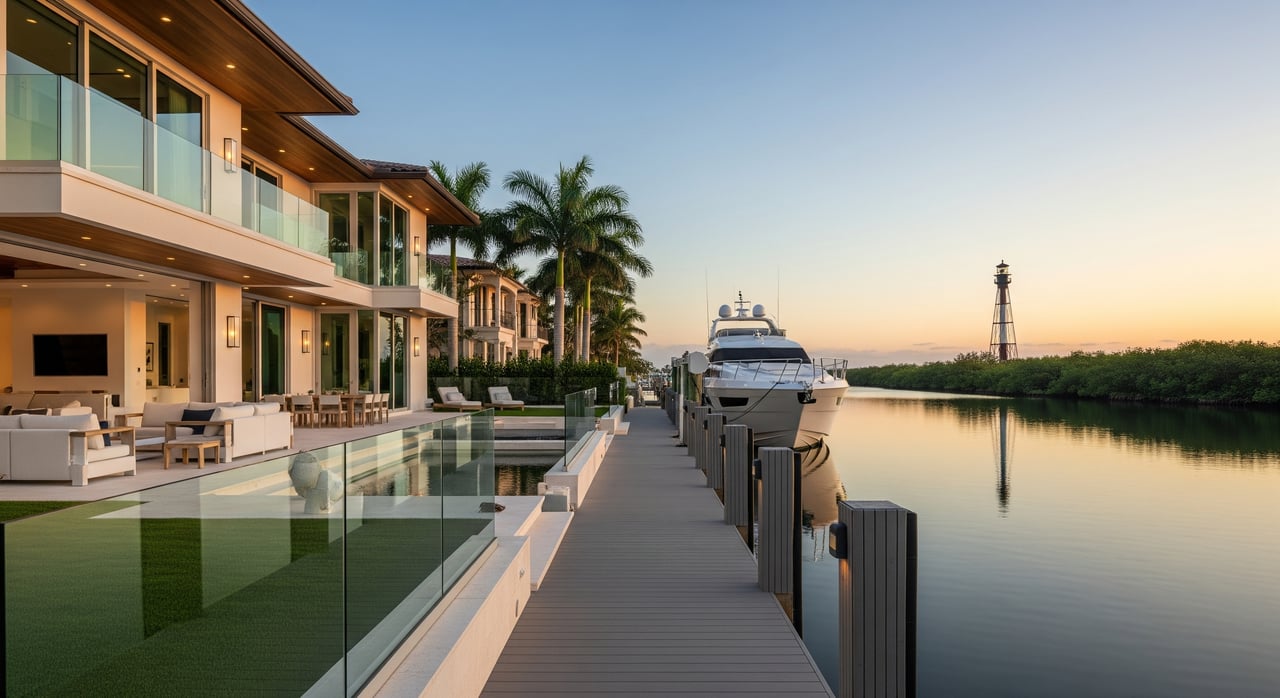
Picture yourself waking up to water views in Jupiter but feeling unsure which shoreline fits your life. You are not alone. With oceanfront, Intracoastal, riverfront, and canal options packed into one coastal town, the choices can feel overwhelming. This guide breaks down how each waterfront type lives, what it costs to maintain, and what it means for your boat, insurance, and long-term value. Let’s dive in.
Jupiter waterfront at a glance
Jupiter sits where the Atlantic Ocean, the Intracoastal Waterway, the Loxahatchee River, and a network of residential canals meet. The Jupiter Inlet connects inland waters to the ocean and is actively managed for navigation.
You will see four common property types:
- Oceanfront: Direct Atlantic exposure with beach access.
- Intracoastal-front (ICW): Seawall frontage on calmer, navigable water with dock potential.
- Riverfront (Loxahatchee): Tidal river setting with a scenic, estuarine feel; portions are part of the National Wild and Scenic Rivers system.
- Canal-front: Man-made canals off the ICW or river, often within planned communities.
Oceanfront homes: who they fit
Oceanfront gives you the private beach lifestyle, sunrise views, and the highest resale premium. Lots are often long and narrow, with homes set behind dunes and coastal setback lines. Oceanfront areas may participate in beach renourishment programs, and building is shaped by the Coastal Construction Control Line and Florida Building Code coastal rules.
Tradeoffs include higher insurance, storm exposure, and ongoing maintenance. Direct boat mooring at the beach is not practical. If you want frequent ocean runs, you will rely on a marina or a dock on protected water.
Intracoastal-front homes: boating balance
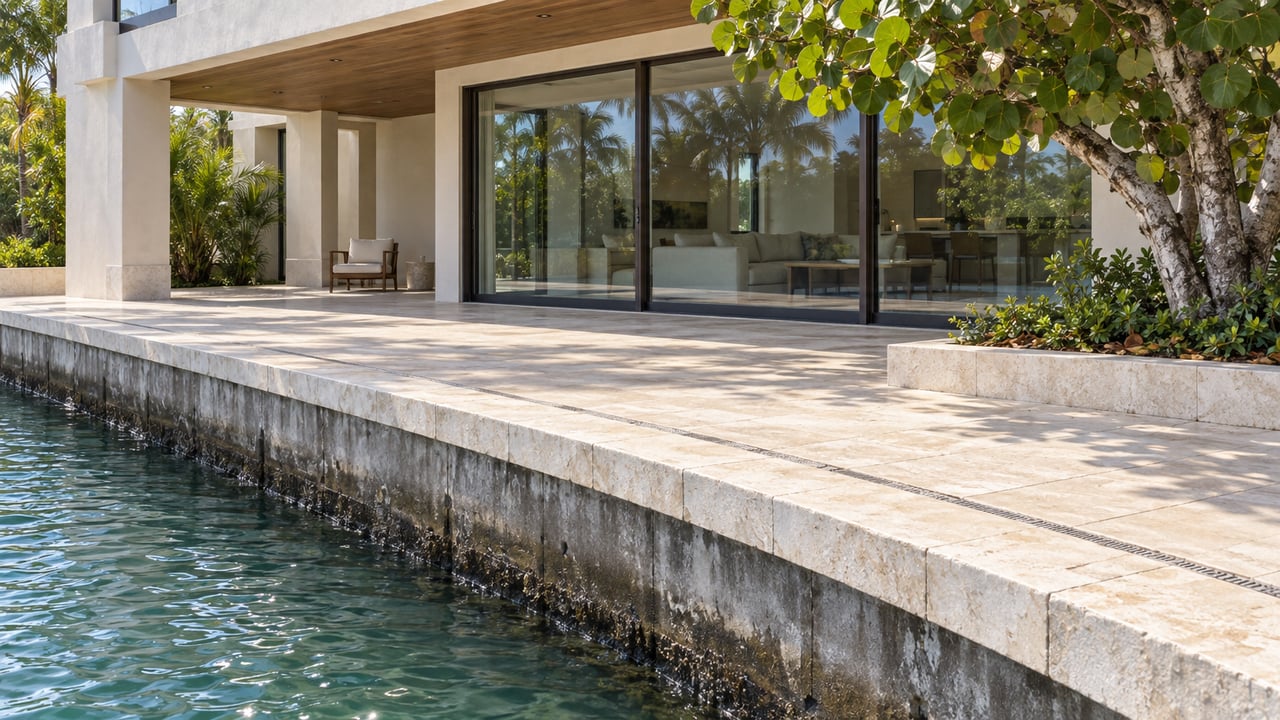
Intracoastal properties usually feature seawalls and space for private docks, including finger piers or T-heads for easier tie-up. Water is calmer than open ocean, and proximity to the dredged navigation channel supports larger boats, depending on local depth.
Expect some boat traffic and occasional wakes. Check bridge clearances, channel depths, and the route to the Jupiter Inlet if you plan regular offshore trips. Seawall age and condition matter, so budget for inspection and maintenance.
Loxahatchee riverfront: scenic and serene
Riverfront lots along the Loxahatchee often run deeper with generous water frontage. Many areas feature mangrove fringes and wildlife viewing, reflecting the river’s National Wild and Scenic Rivers designation. Tidal influence and depth vary by location.
Boating access can be excellent but is site-specific. Mangroves, seagrass, and manatee protection areas may shape dock design and boat-lift placement. The tradeoff is peaceful scenery and privacy in exchange for thoughtful permitting and potentially more limited dock footprints.
Canal-front homes: practical entry point
Canal-front neighborhoods provide a more attainable path into waterfront living. These canals are typically narrower and shallower than the main river or ICW, which can limit boat size and draft. Some cul-de-sacs or turning basins improve maneuverability.
This setting works well for smaller center consoles, runabouts, kayaks, and paddleboards. Views are less expansive than river or ocean, but you gain everyday boat access at a lower price point.
Docks and boat access basics
Dock styles you will see include fixed-pile docks, floating docks, finger piers, T-heads, and boat lifts or davits. Lift sizes and piling placement can be limited by environmental rules, especially where seagrass or mangroves are present.
For permitting, expect reviews by the Town of Jupiter or Palm Beach County, Florida Department of Environmental Protection for sovereign submerged lands, and the U.S. Army Corps of Engineers for work below the mean high-water line. Manatee protection guidelines often influence layout and materials.
Navigation depends on bridge clearances, channel depths, and dredging. The Jupiter Inlet is managed and periodically dredged, which helps maintain ocean access. If a private dock will not fit your boat or timeline, local marinas and dry-stack facilities can be good alternatives.
Flood zones, erosion, and insurance
Jupiter parcels span FEMA flood zones, including VE, AE, and X. Oceanfront and low-lying waterfront are more likely to fall in coastal velocity or AE zones, which can impact elevation requirements and flood insurance costs.
On the ICW, river, and canals, seawalls are common. Their age, condition, and any past repairs or dredging are important due diligence items. Oceanfront properties rely on dune systems and may be subject to coastal armoring rules and renourishment cycles.
Decide with a quick matrix
Use this simple guide to align your goals:
- If your top priority is private beach living and views, and budget is high, consider oceanfront.
- If you run a larger boat, plan frequent ocean trips, and want a private deep-water dock, focus on Intracoastal or riverfront with verified depths and a clear path to the inlet.
- If your boating is light or focused on kayaks and paddleboards, and you want quieter water, look at riverfront or canal-front.
- If you want to curb maintenance or insurance exposure, compare canal or select ICW lots that sit in more protected zones, and verify flood maps.
- If walkability and access to shops and marinas matter, target ICW-adjacent corridors and established neighborhoods near Jupiter’s activity centers.
Buyer checklist for offers
Before you write an offer, confirm:
- Dock and seawall condition, age, permits, and any repairs. Note boat-lift capacity and permitting.
- Mean low-water depth at the dock, channel depth to the inlet, bridge clearances, and recent dredging history.
- FEMA flood zone, base flood elevation, and sample insurance quotes under current code.
- Environmental constraints such as mangroves or seagrass, plus any conservation easements and the CCCL for oceanfront.
- Full permitting history across local, state, and federal agencies.
- Coastal code compliance such as elevation, impact-rated openings, tie-downs, and roof anchoring.
Neighborhood fit and daily life
Think about how you plan to use the water day to day. Oceanfront puts the sand at your doorstep but requires off-site boat solutions. Intracoastal and riverfront living can support larger boats while keeping ride times to the inlet manageable.
If you are happier with quiet paddles and simpler upkeep, a canal or protected riverfront spot may fit better. For easy access to dining, marinas, and services, focus on areas near the ICW corridors and Jupiter’s established hubs.
Ready to explore waterfront?
You deserve a clear, confident plan for your Jupiter waterfront search. With 45+ years of coastal experience and more than 2,000 successful closings, Barbara pairs deep local knowledge with steady, personal guidance from first tour to close. When you are ready to compare lots, docks, depths, and lifestyle tradeoffs side by side, connect with Barbara C Smith.
FAQs
What are the main waterfront types in Jupiter?
- Oceanfront, Intracoastal-front, Loxahatchee riverfront, and canal-front, each with distinct boating, maintenance, and lifestyle considerations.
How do flood zones affect my choice?
- VE and AE zones often require higher elevation and can raise insurance costs, while X zones may be less exposed; verify each property’s FEMA zone and elevation.
Can I keep a 40–50 ft boat at home?
- Possibly on Intracoastal or some riverfront lots with adequate depth, turning room, and permits; confirm channel depths, bridge clearances, and agency approvals.
What limits apply to building docks or lifts?
- Permits consider sovereign submerged lands, manatee protection, and habitat like seagrass and mangroves, which can restrict dock size and lift placement.
Is the Jupiter Inlet reliable for ocean access?
- The inlet is managed and dredged periodically, but conditions change; review recent dredging updates and local navigation reports before committing.
Are canal-front homes good for boating?
- Yes for smaller boats, kayaks, and paddleboards; canals can be shallower and narrower, which limits boat size and draft compared with ICW or riverfront.