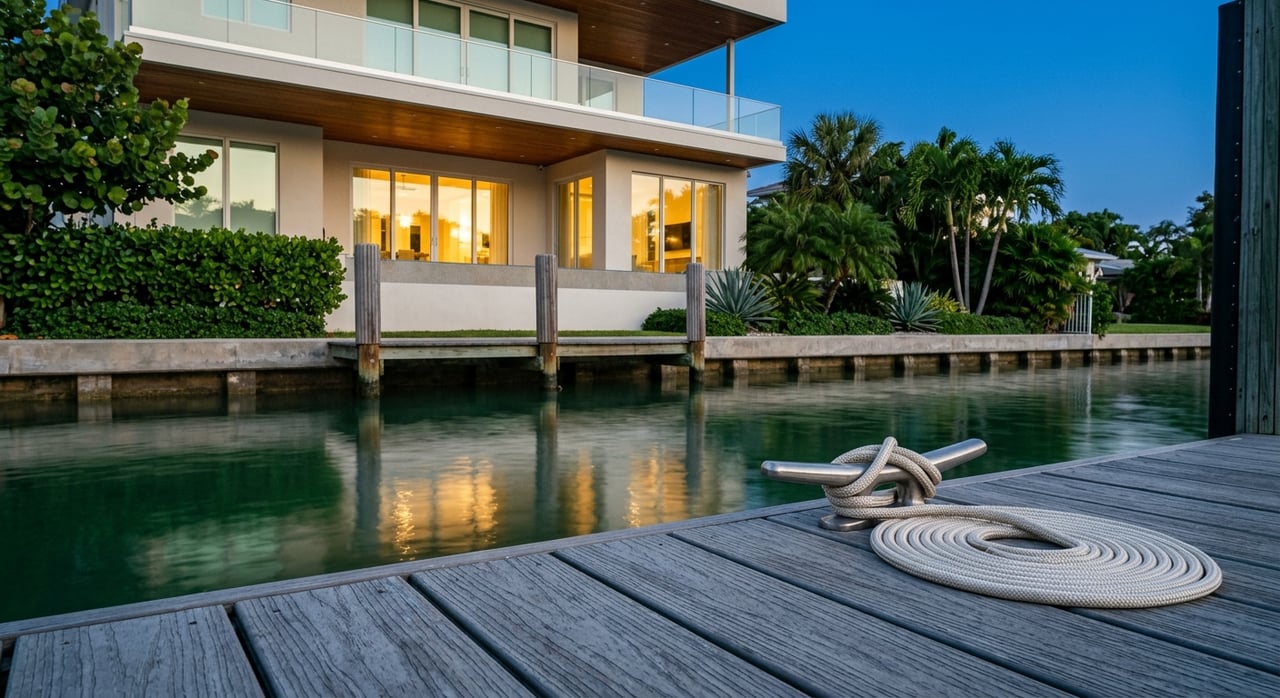
If you are looking for waterfront living that feels private, residential, and closely tied to the natural shoreline, Sewall’s Point offers something different from many Florida coastal communities. This small Martin County peninsula gives you river and lagoon frontage on both sides, a limited commercial footprint, and a housing pattern shaped largely by detached homes rather than resort-style development. If you want to understand what truly sets Sewall’s Point apart, this guide will walk you through the setting, the homes, the boating lifestyle, and the tradeoffs that matter most. Let’s dive in.
Sewall’s Point has a rare peninsula setting
Sewall’s Point is not a barrier island and it is not a downtown waterfront district. According to the town’s planning materials, it is a compact peninsula of roughly 780 acres, about 3.5 miles long and about one-third of a mile wide, bordered by the St. Lucie River and the Indian River Lagoon on either side.
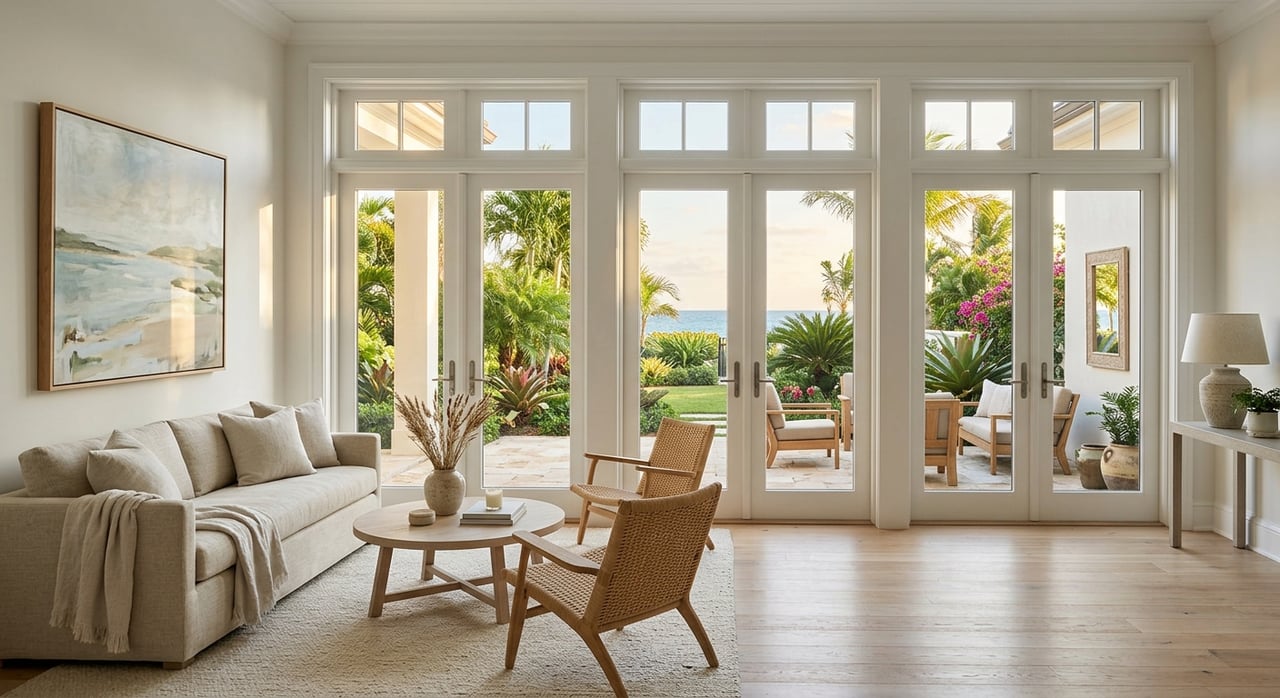
That geography shapes the entire feel of the community. Instead of a beach-centered identity, Sewall’s Point is defined by estuarine waterfront living, with many homes oriented toward river and lagoon views. The town also notes that shoreline uses are primarily single-family homes, with only about 600 feet of commercial frontage and about 200 feet of public frontage along the Indian River Lagoon, which helps explain the area’s quiet, residential character.
The peninsula also has about 8 miles of shoreline between the two rivers, based on the town’s conservation planning materials. That natural edge gives the town a close relationship with the water while still feeling more sheltered than a typical beach-strip market.
The town feels small by design
Part of Sewall’s Point’s appeal is scale. The town’s history page says there are just over 825 residences, which reinforces how limited and low-intensity the setting is.
For buyers, that often translates into a more tucked-away atmosphere. You are not stepping into a place built around heavy visitor traffic, marina activity, or a large commercial core. Instead, you are looking at a residential waterfront community where the shoreline experience is closely tied to private homes and neighborhood streets.
Waterfront living here is mostly private
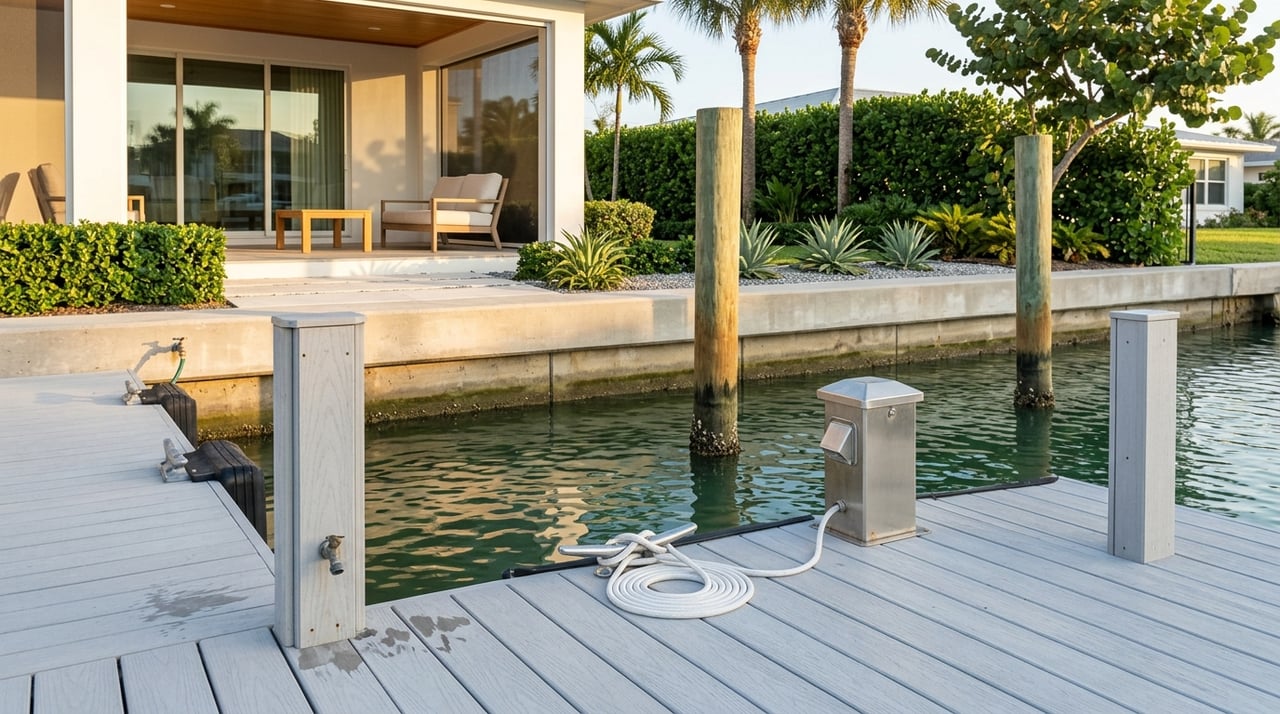
One of the clearest ways Sewall’s Point stands out is how private its waterfront pattern is. The town’s coastal management plan states that there are no public marinas or boat ramps within town limits.
Public shoreline access is limited. The same plan identifies Town Commons Park and the Evans Crary Bridge, which functions as a fishing pier over the St. Lucie River, as the primary public access points.
That matters because it creates a very different waterfront experience than in communities built around public docks, boat launches, and mixed-use shoreline activity. In Sewall’s Point, boating and swimming occur mainly in a private setting associated with private ownership, according to the town’s planning documents. For many buyers, that is a major part of the appeal.
Regional boating access still supports the lifestyle
Even though public boating infrastructure is not inside Sewall’s Point, the broader Martin County waterway network still plays an important role. Martin County explains that the St. Lucie Inlet connects the Atlantic Ocean with the Indian River Lagoon, the St. Lucie River, Hobe Sound, and the Atlantic Intracoastal Waterway.
That regional access helps support the boating lifestyle many waterfront buyers want. Nearby county parks, including Indian RiverSide Park and River Cove Park, also add fishing, paddling, and waterfront access options in the surrounding area.
In practical terms, Sewall’s Point offers a private-first residential setting while still benefiting from the larger Stuart and Martin County boating ecosystem. That balance is one reason the town appeals to buyers who want access to the water without living in a marina-centered environment.
Homes are mostly detached single-family residences
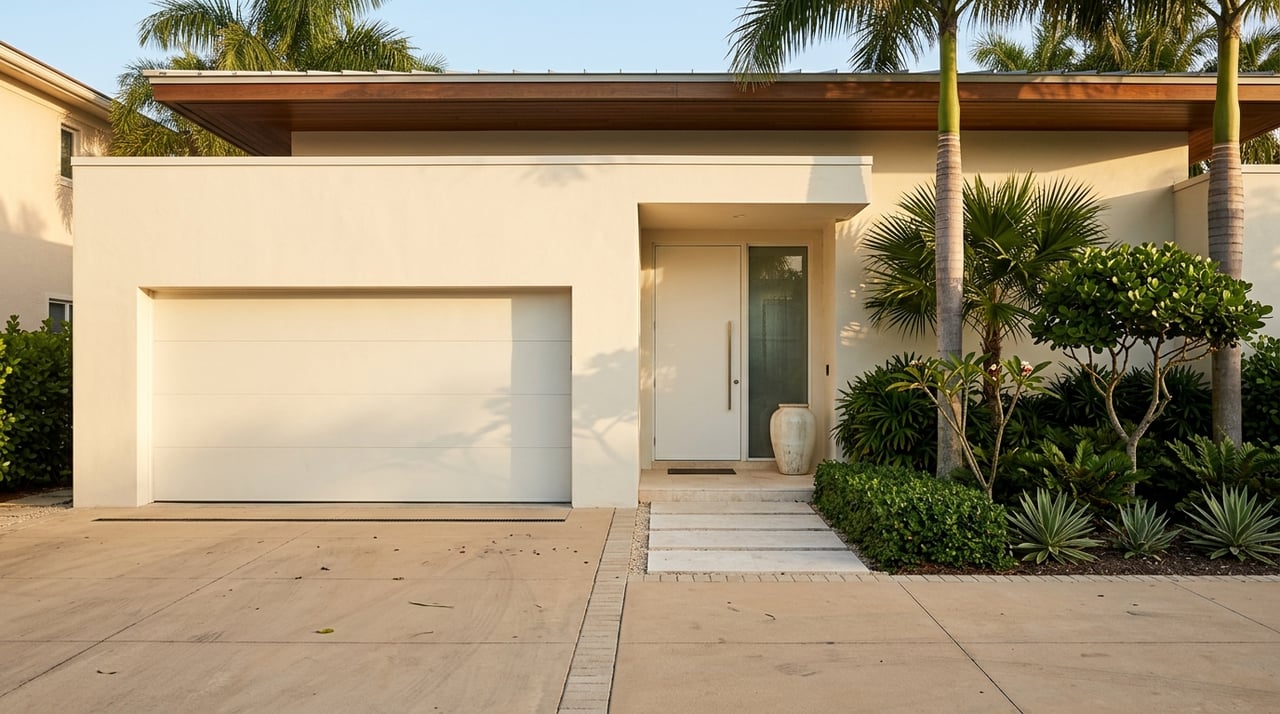
If you are comparing housing types, Sewall’s Point is overwhelmingly a single-family market. The town’s housing element says 97.1% of housing units are one-unit detached homes.
That statistic is important because it gives the town a very consistent residential identity. You are not typically looking at a condo-dominated waterfront landscape or a resort-like mix of product types. Instead, the built environment is shaped mostly by detached homes on individual lots.
An earlier town housing document also noted that the average building lot is slightly more than one-third of an acre, while many older homes are on lots smaller than one-third of an acre. The same material explains that the peninsula was historically subdivided into river-to-river tracts, which helps explain why some properties carry an estate-like feel.
The housing stock reflects years of evolution
Sewall’s Point is not a new master-planned waterfront community. The town says most homes were built before 1989, with the largest share dating to the 1970s and 1980s.
That gives buyers an important clue about what they may find here. The market is shaped by older homes, custom residences, longtime ownership, and the gradual cycle of updates, renovations, and rebuilds over time.
The town’s historical overview also notes that early landowners built large estate-style homes that remain in private use today. As a result, Sewall’s Point tends to feel architecturally varied and individually developed rather than uniform.
Trees and shoreline vegetation shape the experience
In Sewall’s Point, the landscape matters almost as much as the homes themselves. The town has been a Tree City since 1990, maintains a Heritage Tree Program, and identifies mature trees as a signature feature of the community.
That canopy changes how waterfront living feels on the ground. The town’s conservation materials say shoreline vegetation can reduce glare, enhance privacy, cut noise, and support erosion control and water quality.
For buyers, that often translates into a softer, more established visual character. Instead of stark exposure along the water, many properties benefit from mature landscaping that adds shade, screening, and a sense of calm.
How Sewall’s Point differs from nearby waterfront areas
Sewall’s Point becomes even clearer when you compare it with nearby options.
Sewall’s Point vs. Stuart
Stuart offers a more public-facing waterfront environment. The city highlights day-use city docks and a downtown redevelopment area, which points to a mixed-use waterfront setting with more visible activity.
Sewall’s Point is different. Its shoreline is primarily private single-family waterfront, and it does not have public marinas or boat ramps inside town. If Stuart offers more downtown energy, Sewall’s Point offers a quieter neighborhood setting with a much lower commercial footprint.
Sewall’s Point vs. Jupiter Island
Jupiter Island shares a low-density coastal identity, but the geography is different. The town’s community profile describes it as a barrier island with about 1,643 acres and nine miles of ocean frontage.
Sewall’s Point is not oceanfront in that way. It is a river-to-river peninsula with estuarine frontage instead of direct Atlantic frontage. That means the lifestyle is shaped more by protected river and lagoon views than by open beach exposure.
Sewall’s Point vs. Hutchinson Island
Hutchinson Island reads more as a beach-oriented barrier island environment. Martin County describes Clifton S. Perry Beach as a natural area extending from the Atlantic Ocean to the Indian River Lagoon.
Sewall’s Point offers something different. Its signature setting is inland estuarine waterfront, where the visual focus is on the rivers and lagoon rather than the beach itself.
What buyers should weigh carefully
Sewall’s Point offers a distinctive waterfront lifestyle, but it is important to understand the practical side as well. The town’s coastal plan specifically addresses sea-level rise, flooding, hurricane resilience, and related coastal risks.
That does not make Sewall’s Point unusual for a Florida waterfront market, but it does make due diligence especially important. If you are considering a purchase here, you will want clear guidance on property condition, lot characteristics, insurance implications, and how a specific home fits into the broader coastal setting.
This is one reason local market knowledge matters so much in a place like Sewall’s Point. A neighborhood can be small, established, and highly appealing, but each property may still present a different mix of waterfront advantages and planning considerations.
Why Sewall’s Point stands out
At its core, Sewall’s Point stands out because it offers a waterfront experience that feels residential first. It is a small, tree-canopied peninsula with water on both sides, a strong detached-home pattern, and a shoreline defined more by private use than public activity.
For some buyers, that will be exactly the point. If you are drawn to river and lagoon views, established homesites, and a quieter Martin County waterfront setting connected to the broader Stuart boating network, Sewall’s Point is worth a close look.
When you are ready to explore Sewall’s Point or compare it with other Martin County coastal communities, Barbara C Smith offers the kind of steady, hyper-local guidance that can help you evaluate both the lifestyle and the details with confidence.
FAQs
Is Sewall’s Point oceanfront?
- No. Sewall’s Point is defined by frontage along the St. Lucie River and the Indian River Lagoon, with ocean access reached through regional waterways and the St. Lucie Inlet.
Are there public marinas or boat ramps in Sewall’s Point?
- No. The town says there are no public marinas or boat ramps within Sewall’s Point, so waterfront use is primarily private and residential.
What types of homes are most common in Sewall’s Point?
- Detached single-family homes dominate the town, accounting for 97.1% of housing units according to the local housing element.
How does Sewall’s Point compare with Stuart waterfront living?
- Sewall’s Point is more private and residential, while Stuart includes a downtown waterfront setting with public docks and more mixed-use activity.
What is important to consider about Sewall’s Point waterfront ownership?
- Buyers should pay close attention to flooding, storm exposure, hurricane resilience, and sea-level-rise considerations, which the town treats as key coastal planning issues.